
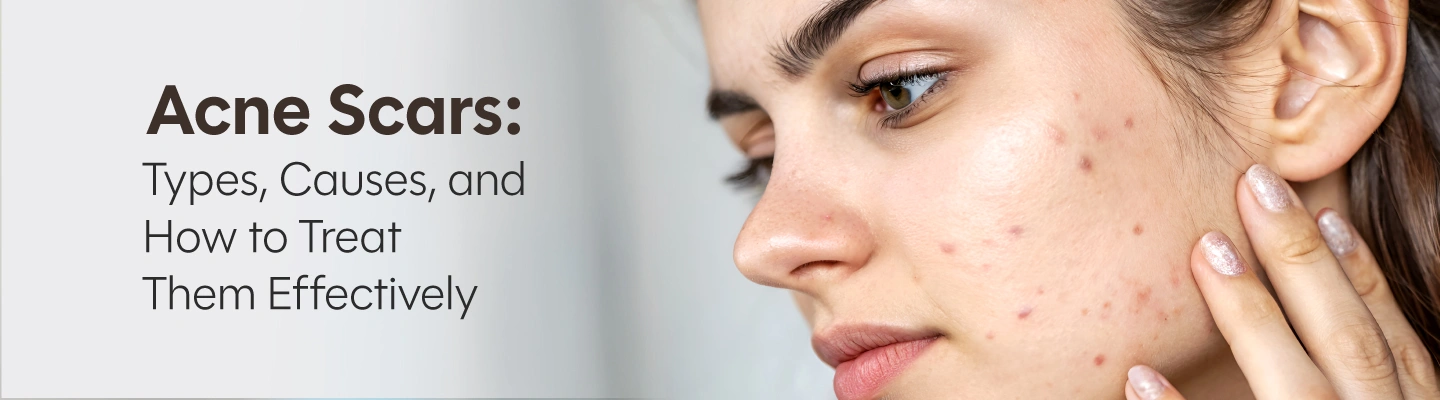
Acne Scars: Types, Causes, and How to Treat Them Effectively
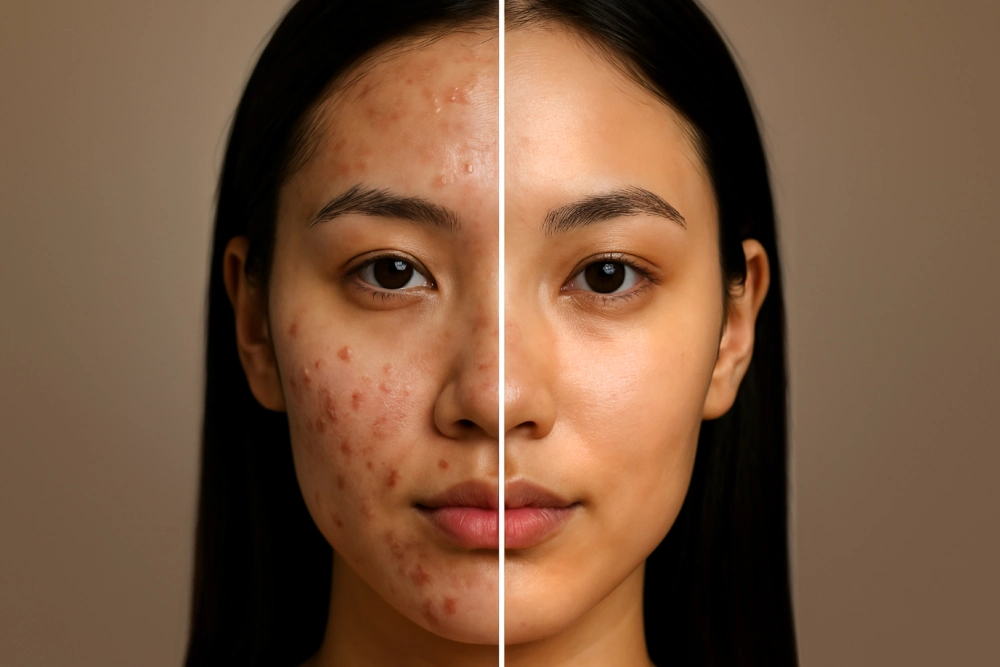
Acne scars can be frustrating and sometimes make you feel self-conscious even after your breakouts are gone. The good news is that with the right care, you can reduce their appearance and restore smoother, healthier-looking skin. While there’s no overnight cure, consistent treatment tailored to your skin type and scar severity can make a noticeable difference over time. Let’s take a closer look at acne, how scars form, and what you can do to treat them.
With a few changes to your routine, you can protect your skin from harsh UV rays, manage oil production, and maintain a fresh, natural glow throughout the season.
What is Acne? Let’s Understand it First
Acne develops when your pores get clogged with excess oil, dead skin cells, and bacteria. Genetics, hormones, and skin type also play a role. Knowing your acne type helps in managing it effectively and can reduce the risk of long-term scars.
Different Types of Acne
➤ Comedonal Acne: Whiteheads and blackheads caused by clogged pores. Usually mild and treated with topical creams.
➤ Inflammatory Acne: Red, swollen, painful bumps (papules) that can damage the skin. Often treated with topical or oral medications.
➤ Nodulocystic Acne: Severe, large, and painful cysts deep under the skin, often causing permanent scars if untreated.
➤ Hormonal Acne: Common in adults, especially women, linked to hormonal changes and menstrual cycles.
Why Acne Leads to Scars
Scars form when your skin is damaged and heals unevenly. Deep or inflamed acne, or picking and squeezing pimples, increases the chance of permanent marks. Acne scars don’t just affect appearance, they can also impact confidence and emotional well-being.
Common Types of Acne Scars
Knowing the type of scar helps in choosing the right treatment:
1. Depressed Scars (Atrophic)
➤ Ice Pick Scars: Small, deep holes in the skin.
➤ Boxcar Scars: Wider depressions with sharp edges.
➤ Rolling Scars: Wavy or uneven skin texture.
2. Raised Scars (Hypertrophic)
Ice Pick Scars: Small, deep holes in the skin.
3. Dark Spots (Post-Inflammatory Hyperpigmentation)
Not true scars, but dark marks left behind after acne heals. Can fade over time but may require treatment for faster results.
Effective Treatments for Acne Scars
Chemical Peels
Gently remove dead skin cells and promote new skin growth.
➤ Phenol Peel: Deep, professional treatment
➤ Glycolic Acid Peel: Mild and gentle
➤ TCA Peel: Medium-depth for moderate scars
Laser Treatments
Laser Treatments can help improve scar appearance by stimulating collagen and remodeling skin, depending on scar type and laser used.
Microneedling
Stimulates collagen production using tiny needles to improve texture and reduce scars.
PRP Therapy
Uses your own platelets to accelerate healing and it may support healing and enhance other treatments, but evidence for acne scars is still evolving.
Simple Home Care Tips
➤ Wash your face twice daily with a gentle cleanser
➤ Avoid heavy or pore-clogging makeup
➤ Use non-comedogenic skincare products
➤ Never squeeze or pick acne lesions
➤ Apply moisturizer and sunscreen daily
Why Treating Acne Early Matters
Acne doesn’t just affect your skin; it can affect how you feel about yourself. Early treatment reduces the risk of scarring, improves skin health, and boosts confidence. Even small steps, like a proper skincare routine, can make a big difference.
Final Thoughts
Acne scars may take time to heal, but they are manageable. By understanding your scar type and choosing the right treatments, you can achieve smoother, clearer, and healthier-looking skin.
Always Remember, Patience and consistency are key. With the right approach, clearer skin is possible.
ENQUIRY
We would be delighted to serve you with our services, Let us get in touch with you
